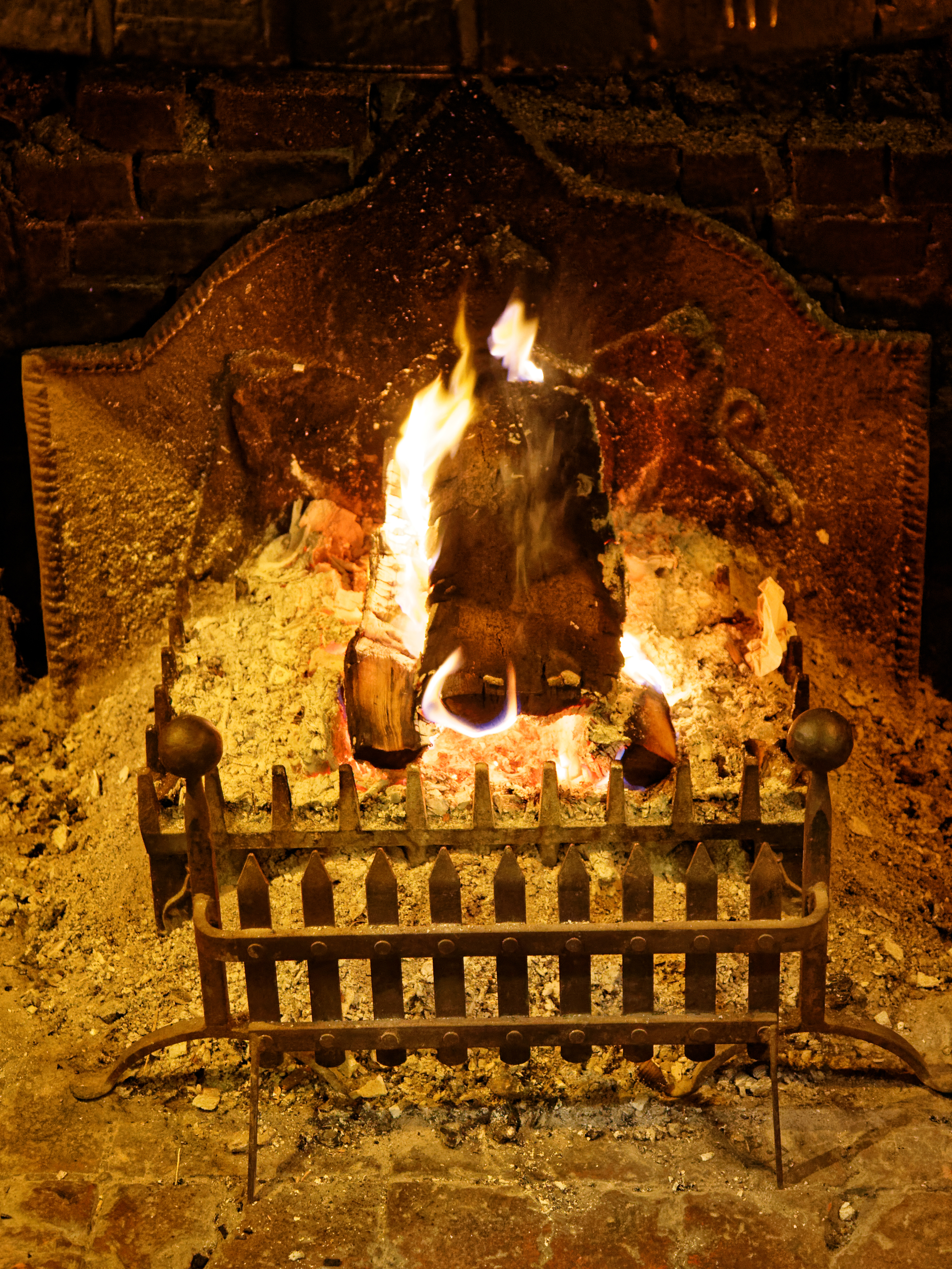
Stage one
Early Hearths and Open Fires
The open hearth as the centre of the early home, its limits, and why the chimney changed the way rooms were arranged.
Read the article →Harbor Basket Lane is a reading record of hearth culture in Canada, tracing the move from open fires and masonry chimneys to cast-iron stoves and the central systems common today, alongside the seasonal habits that surrounded them.
Overview
In a country where winter can hold for several months, warmth was never a background concern. The location of the fire decided the plan of a house, the thickness of its walls, and the room where a family spent the coldest evenings. As heating methods changed, so did daily routine: who rose first to revive the embers, when fuel was cut and stacked, and how a home was closed up against the cold.
These pages follow that change in three readable stages, with photographs and references to publicly available archives and encyclopedias.
Reading
Stage one
The open hearth as the centre of the early home, its limits, and why the chimney changed the way rooms were arranged.
Read the article →
Stage two
How the enclosed cast-iron stove spread through Canadian homes and gave more heat from less wood than the open fire.
Read the article →
Stage three
The yearly rhythm of preparing for cold: cutting and stacking fuel, closing up a house, and the habits that came with a long heating season.
Read the article →A short timeline
Early settlement
A single open fire heats one main room and serves for cooking. Much of its heat escapes up the chimney.
Nineteenth century
Enclosed stoves radiate heat into the room and burn fuel more slowly, allowing smaller, warmer houses.
Later decades
Furnaces and boilers distribute heat through a whole house, and the hearth becomes one option among several.
Contact
If you have a question about the reading, a regional detail from your part of Canada, or a correction to something on these pages, you can write using the form below.